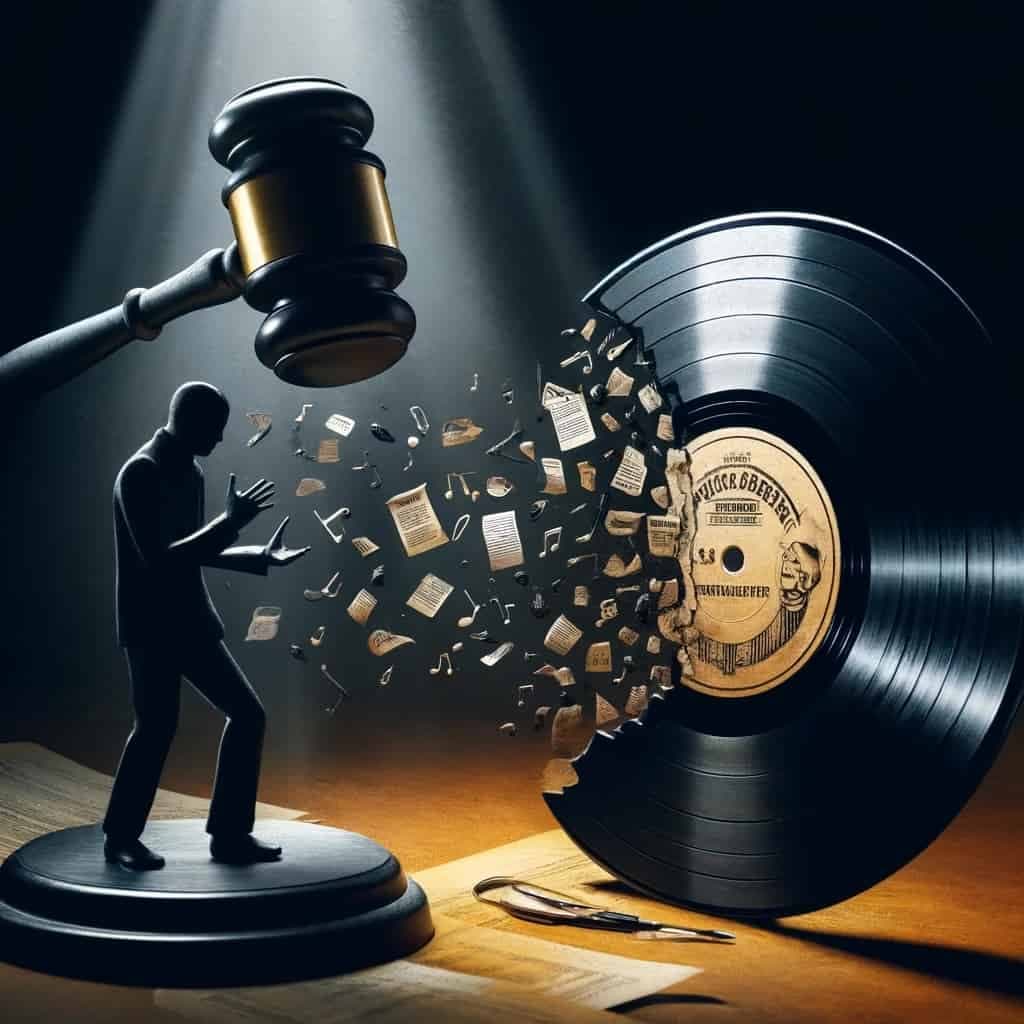
In a landmark case that underscores the legal risks associated with using samples in music without clearance, rapper Trefuego has been ordered to pay over $800,000 in damages to Sony Music for an unauthorized sample in his TikTok hit, “90mh”. The case, which caught the attention of the music industry and artists alike, highlights the complexities and potential financial repercussions of sampling copyrighted material without permission.
Trefuego, whose real name is Dantreal Daevon Clark-Rainbolt, sampled Toshifumi Hinata’s 1986 song “Reflections” without obtaining the necessary clearances. Despite the track’s success on platforms like TikTok and Spotify, where it garnered significant streams and visibility, this oversight led to a costly legal battle with Sony Music, the rights holder of “Reflections.”
The Federal Court’s decision included a breakdown of damages that Trefuego is now obligated to pay, comprising both the profits earned from the track and the licensing fees he would have otherwise owed Sony for the use of the sample. Furthermore, the court’s ruling emphasized the importance of adhering to copyright laws, signaling a cautionary tale for other artists who might consider using samples without proper authorization.
This situation illustrates the broader challenges and risks associated with sampling in music production. While sampling is a popular and artistically legitimate method of creating new works, it necessitates navigating a complex web of copyright laws and obtaining necessary permissions from copyright holders. The case of Trefuego serves as a stark reminder that ignoring these requirements can lead to severe financial and legal consequences. As fair use is considered an affirmative defense rather than a preemptive right, artists and producers must proactively seek clearance for samples to avoid potential lawsuits.
The music industry’s ongoing dialogue about copyright, sampling, and artists’ rights continues to evolve, but the Trefuego case has undoubtedly highlighted the need for clear understanding and respect for copyright laws. It underscores the necessity for artists to either obtain the required licenses for using samples or to innovate within legal boundaries to avoid the risk of substantial damages and legal challenges. This incident may prompt both established and emerging artists to reconsider their approaches to sampling and to engage more diligently with the legal aspects of music production to safeguard their works and financial interests.